

Originally published June 11, 2016 · Updated by The Homestead Guru Editor on November 12, 2026.
A quiet moment can feel welcome in a day full of conversations, traffic and notifications. For a family, that might mean reading together, drawing without a screen playing nearby or taking an unhurried walk outside.
What the often-cited study examined
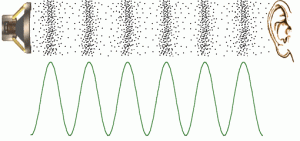
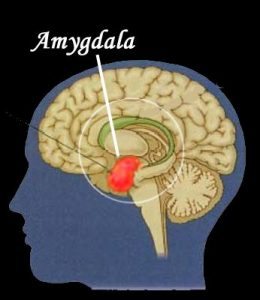
Kirste and colleagues studied auditory conditions and hippocampal cell development in adult mice. The paper appeared online in 2013 and in print in 2015. It was not a clinical trial showing that two hours of silence rebuilds a person’s brain or treats dementia.
See the paper’s bibliographic record and abstract. Animal findings can suggest research questions, but they do not establish a human treatment schedule.
A gentler rhythm, without a cure promise
Try turning off background sound when nobody is using it, making a comfortable place to read, or choosing a quieter route for a walk. What feels restful varies between people. Silence does not need to become another rigid family rule.
Children can enjoy quiet play and outdoor learning without those activities being presented as a way to regrow neurons. Likewise, a forest walk is not evidence of a cancer treatment or a repair for neurological disease.
If noise, sleep or other symptoms are affecting everyday life, address the actual source and seek appropriate individual support. A research headline cannot diagnose the cause.